OVERWATCH.EARTH
initializing planetary telemetry…
About

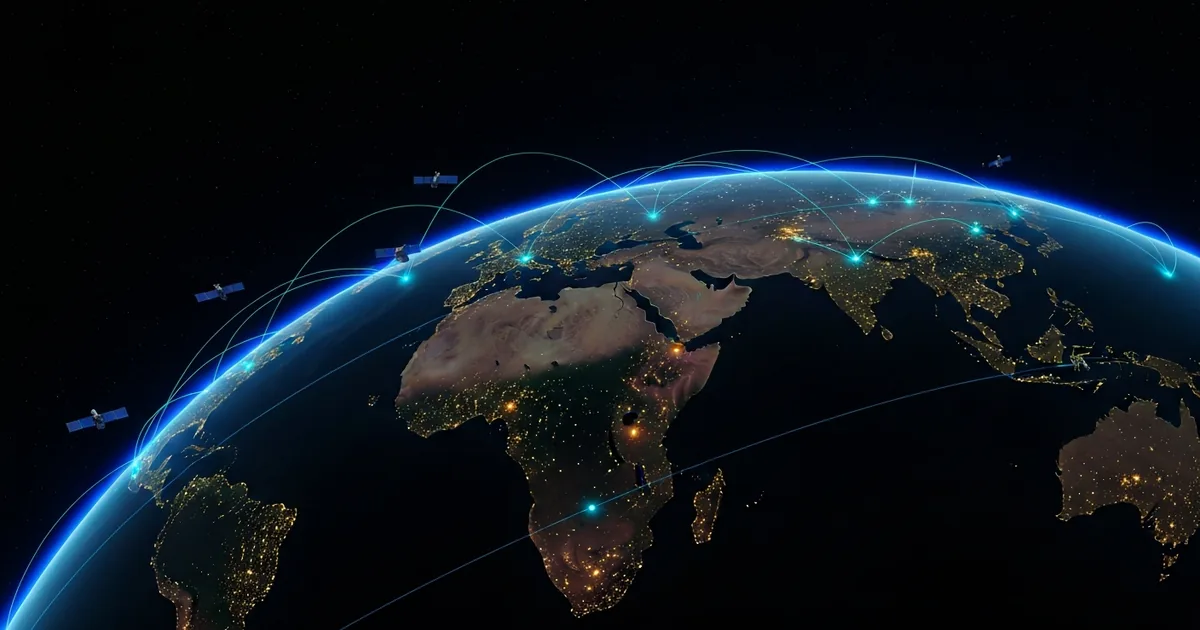
31 live data layers on one real-time 3D globe

Live right now: 166 aircraft · 9,553 ships · 14 quakes today · 21,802 wildfire detections · 10,734 Starlink sats

overwatch.earth is a single interactive 3D Earth that overlays roughly 31 live data layers at once. Spin it, zoom in, and click any point to inspect the record behind it. Aircraft come from ADS-B (adsb.fi), ships from AIS, trains from Amtraker, city transit from Transitland, and the world's airports from OurAirports. Earthquakes stream from USGS and EMSC, wildfires from NASA FIRMS, lightning from Blitzortung, aurora from NOAA OVATION, air quality from OpenAQ, and weather alerts from the US National Weather Service. The digital layer maps submarine cables (TeleGeography), internet outages (Cloudflare Radar and IODA), data centers and exchange points (PeeringDB), and live BGP routing events — leaks, hijacks and outages — from WorldIP.io. Overhead you get tracked satellites, the ISS, and the Starlink constellation propagated from CelesTrak TLEs, plus upcoming rocket launches from Launch Library 2. Curiosity layers include live Wikipedia edits, thousands of public webcams, iNaturalist sightings, volcanoes, fireballs, and NASA Deep Space Network dishes. Each feed updates on its own cadence — seconds for flights and lightning, minutes for quakes and air quality — and a layer drops off the globe automatically when its source goes quiet. The homepage shows all active layers together; every layer also has its own focus page. It is free, with no account or login.

What is overwatch.earth?

It is a free, interactive 3D WebGL globe that overlays around 31 live data layers on one Earth. You can spin and zoom the globe and click any point — a plane, ship, earthquake, satellite — to open an inspector with the details behind it.

What live data does it show?

Roughly 31 layers: aircraft, airports, ships, trains and transit, earthquakes, wildfires, lightning, aurora, air quality, weather alerts, submarine cables, internet outages, BGP routing events, data centers, satellites, the ISS, Starlink, rocket launches, live Wikipedia edits, webcams, volcanoes, fireballs and more — each from its own public feed.

How real-time is it?

Each layer refreshes on the cadence of its source: flights and lightning update within seconds, earthquakes and air quality within minutes, and slower feeds like launches less often. When a source stops reporting, that layer is removed from the globe until it recovers.

Do I need an account, and is it free?

No account and no login. overwatch.earth is free to use. It runs in your browser using public and open data feeds, with no sign-up or paywall.